Spring Pasta With Asparagus And Peas
Highlighted under: Easy Healthy Meals Inspiration
I absolutely love making Spring Pasta with Asparagus and Peas as the seasons change. The freshness of the asparagus combined with sweet peas makes this dish a celebration of spring in a bowl. I enjoy how simple yet delicious the flavors are, and it quickly becomes a family favorite on busy weeknights. With just a few ingredients and a splash of olive oil, you can whip up a meal that feels special and vibrant. It’s my go-to when I want to impress without all the fuss.
When I first tried Spring Pasta with Asparagus and Peas, I was amazed at how just a handful of ingredients could create such a flavorful dish. The combination of fresh asparagus and sweet peas provides a texture contrast that feels satisfying yet light. I remember making this recipe for a small dinner party last spring, and it was a hit! Everyone appreciated not only the taste but also the vibrant colors on their plates.
This pasta dish is incredibly versatile, and I love to customize it based on what I have on hand. Adding a sprinkle of lemon zest gives it an extra brightness, while a touch of cream transforms it into a richer experience. I’ve experimented with different herbs as well, and I must say that fresh basil or mint truly elevates the flavors.
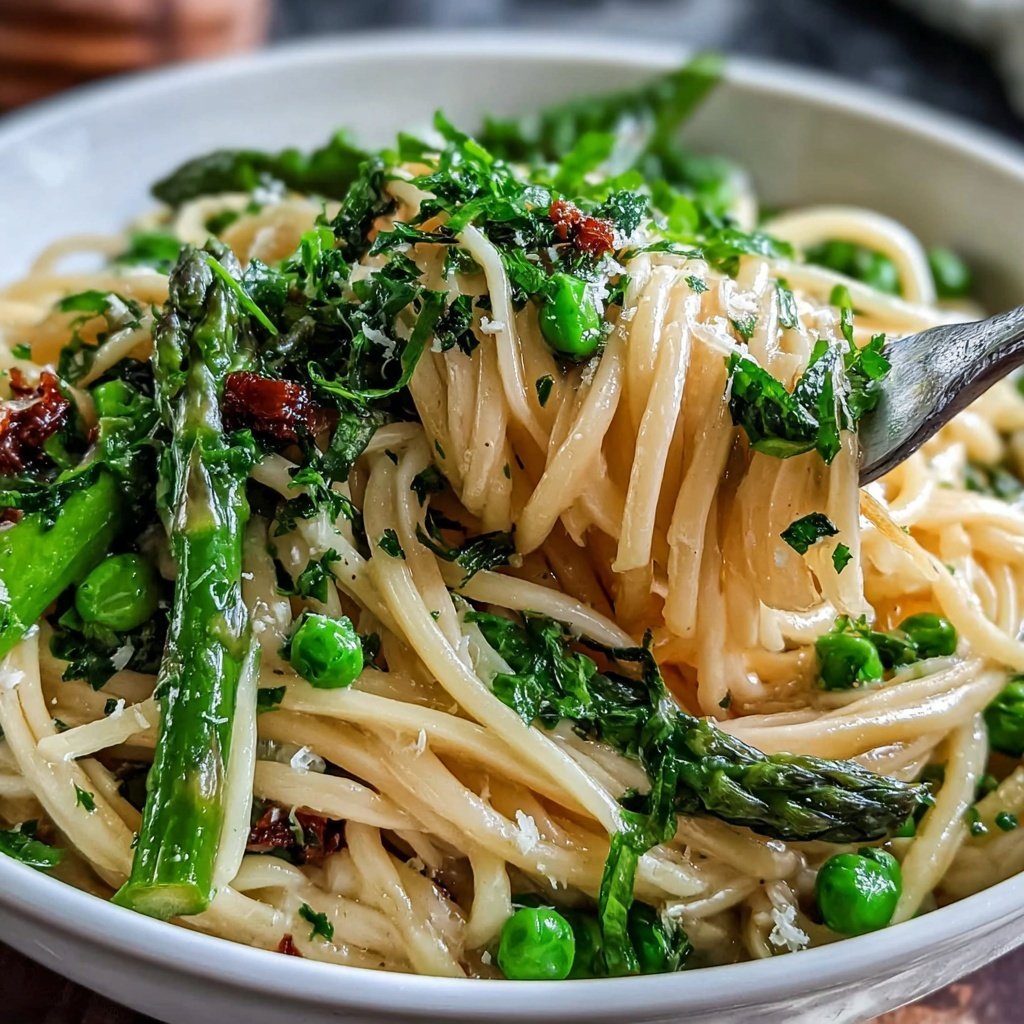
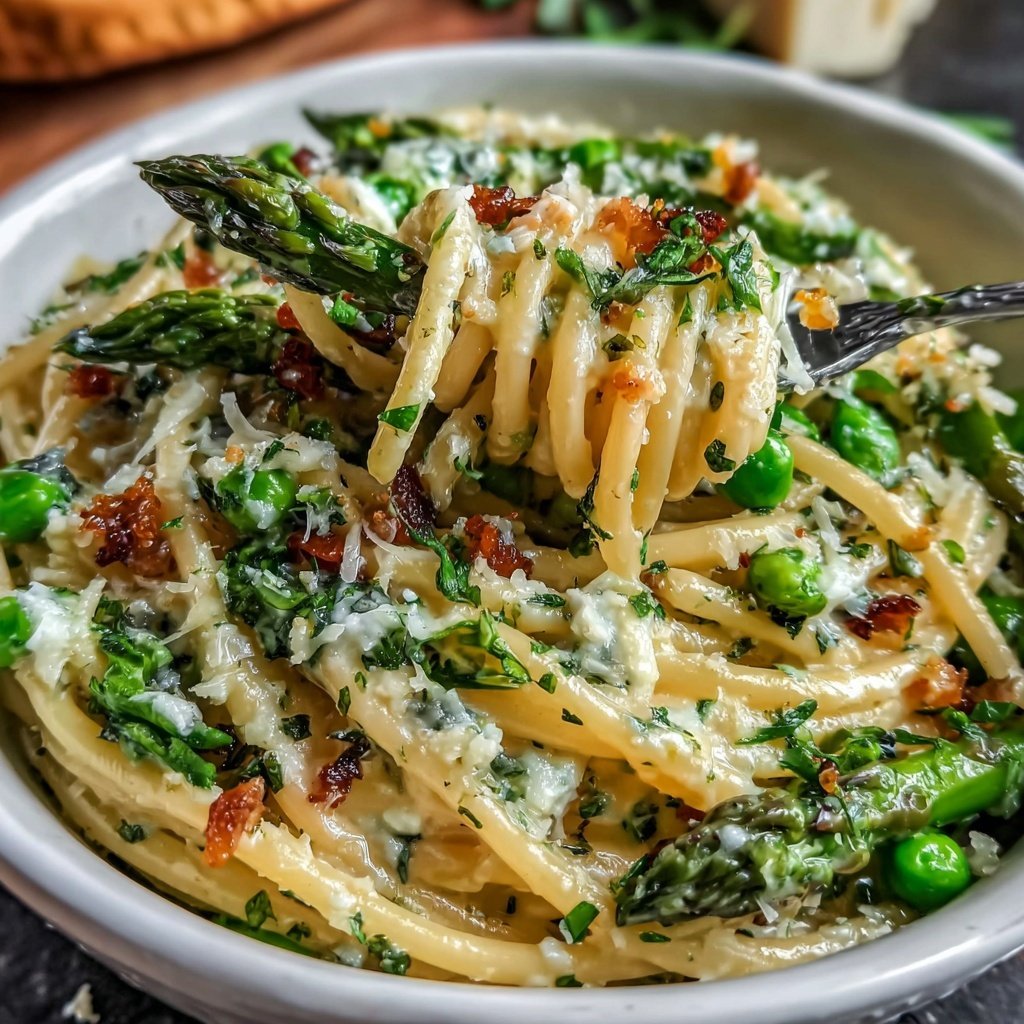
Why You Will Love This Recipe
- Freshness of seasonal vegetables brings life to your plate
- Quick to prepare, making it perfect for busy days
- Light yet satisfying meal for any occasion
Choosing the Right Pasta
The choice of pasta plays a crucial role in the overall texture and mouthfeel of this dish. For Spring Pasta with Asparagus and Peas, I recommend using penne or farfalle, as their shapes allow for better sauce adherence. Penne's tubular form and farfalle's bow shape help capture the delectable olive oil and vegetable mixture in every bite.
When cooking pasta, ensure the water is at a rolling boil and generously salted before adding the pasta. This step enhances the pasta's flavor while cooking. Aim to cook the pasta until al dente to maintain a slight bite, which adds character to the dish. Remember, overcooked pasta can become mushy and lose its ability to hold up against the vibrant vegetables.
The Importance of Fresh Ingredients
Using fresh seasonal ingredients is key to elevating this recipe. Asparagus should be bright green and firm to the touch, indicating high quality. When trimming the asparagus, aim for the cut ends to be crisp and moist; this way, they retain their texture during cooking. Fresh peas can be sweeter and crunchier than frozen, but if using frozen ones, make sure they are from a trusted brand to ensure they taste fresh.
If you're looking for a quick alternative, consider using snap peas or sugar snap peas for an added crunch and sweetness. These peas will also complement the meal’s bright flavors and are easy to work with, requiring minimal cooking time. Whichever option you choose, make sure the vegetables retain their vibrant color and crispness by not overcooking them.
Garnishing and Serving Suggestions
Topping your Spring Pasta with freshly grated Parmesan cheese and a sprinkle of fresh herbs like basil or mint enhances both the flavor and visual appeal. The cheese adds a creamy note that contrasts beautifully with the freshness of the vegetables. A light sprinkle of lemon zest further brightens the dish, making it even more refreshing. Don’t shy away from adjusting the amount of cheese to suit your taste preferences.
For an added layer of flavor, try a drizzle of high-quality olive oil just before serving. This not only enriches the dish but also brings together all the flavors in a delightful way. If you're entertaining guests, consider serving the pasta on a large platter as a shared dish, garnished with herbs and lemon zest for a stunning presentation.
Ingredients
Gather the following ingredients to start preparing your Spring Pasta.
Ingredients
- 8 ounces of pasta (penne or farfalle works great)
- 1 bunch of asparagus, trimmed and cut into 2-inch pieces
- 1 cup of peas (fresh or frozen)
- 2 tablespoons of olive oil
- 2 cloves of garlic, minced
- Salt and pepper to taste
- Grated Parmesan cheese for serving
- Lemon zest (optional)
- Fresh herbs (basil or mint), chopped (optional)
Make sure to have all ingredients prepped and ready to go before you start cooking.
Instructions
Follow these simple steps to create a delightful Spring Pasta dish.
Cook the Pasta
In a large pot of boiling salted water, cook the pasta according to package instructions until al dente. Reserve about 1 cup of pasta water and then drain the rest. Set aside.
Sauté the Vegetables
In a large skillet, heat the olive oil over medium heat. Add the minced garlic and sauté until fragrant, about 30 seconds. Then, add the asparagus pieces and cook for about 4 minutes until slightly tender.
Add Peas and Combine
Stir in the peas and cook for an additional 2-3 minutes. Add the cooked pasta to the skillet, and gently toss everything together. If the pasta seems dry, add a bit of the reserved pasta water.
Season and Serve
Season with salt, pepper, and lemon zest if using. Toss to combine well. Serve hot with grated Parmesan cheese and fresh herbs on top.
Enjoy your delicious Spring Pasta dish with a light salad or some crusty bread on the side!
Pro Tips
- For a more filling meal, you can add grilled chicken or shrimp. For a vegan option, simply omit the cheese or use a plant-based alternative.
Make-Ahead Tips
You can prepare the asparagus and peas in advance for a quicker meal. Blanch the asparagus in boiling water for about 2 minutes until bright green, then transfer to an ice bath to halt cooking. Store in an airtight container in the refrigerator for up to 2 days. This way, when you're ready to enjoy the dish, all you have to do is sauté and combine your ingredients.
If you're looking to meal prep, consider cooking a larger batch of pasta and using it throughout the week in different recipes. Just ensure you toss it with a bit of olive oil to prevent sticking. When reheating, you can add a splash of water to the skillet to help bring everything back to life.
Storing and Reheating
Leftover Spring Pasta can be stored in an airtight container in the refrigerator for up to 3 days. However, it's best to keep the pasta and vegetables separate if possible, as the pasta may absorb the moisture from the asparagus and peas, making it softer. When reheating, do so gently in a skillet over low heat, adding a splash of water or olive oil to revitalize the flavors.
If you prefer to freeze the pasta, cook it just shy of al dente, as it will continue to cook when reheating. Place the cooled pasta in a freezer-safe container for up to a month. Thaw overnight in the refrigerator before reheating. For best results, reheat in a skillet with a touch of oil to maintain texture.
Customizing the Recipe
This recipe is quite versatile, allowing you to customize it based on what you have on hand. Feel free to substitute other vegetables such as zucchini or bell peppers for the asparagus if they are in season. Additionally, adding protein like grilled chicken, shrimp, or chickpeas can make the dish more filling and suitable for varying dietary needs.
For a spicy kick, add red pepper flakes while sautéing the garlic. This addition can elevate the dish, giving it an exciting flavor profile. Remember to taste as you go, adjusting seasonings and ingredients to ensure the final dish suits your personal palate.
Questions About Recipes
→ Can I use frozen vegetables?
Yes, frozen peas work perfectly in this recipe! Just add them directly to the skillet without thawing.
→ What type of pasta works best?
You can use any bite-sized pasta, such as penne, farfalle, or fusilli. They all hold the sauce beautifully!
→ How can I add more flavor?
Consider adding a splash of white wine after sautéing the garlic; it adds depth to the dish.
→ Is it possible to make this in advance?
You can prep the ingredients ahead of time and cook them the day of serving for the best flavor and texture.
Spring Pasta With Asparagus And Peas
Created by: Thea Montgomery
Recipe Type: Easy Healthy Meals Inspiration
Skill Level: Beginner
Final Quantity: 4 servings
What You'll Need
Ingredients
- 8 ounces of pasta (penne or farfalle works great)
- 1 bunch of asparagus, trimmed and cut into 2-inch pieces
- 1 cup of peas (fresh or frozen)
- 2 tablespoons of olive oil
- 2 cloves of garlic, minced
- Salt and pepper to taste
- Grated Parmesan cheese for serving
- Lemon zest (optional)
- Fresh herbs (basil or mint), chopped (optional)
How-To Steps
In a large pot of boiling salted water, cook the pasta according to package instructions until al dente. Reserve about 1 cup of pasta water and then drain the rest. Set aside.
In a large skillet, heat the olive oil over medium heat. Add the minced garlic and sauté until fragrant, about 30 seconds. Then, add the asparagus pieces and cook for about 4 minutes until slightly tender.
Stir in the peas and cook for an additional 2-3 minutes. Add the cooked pasta to the skillet, and gently toss everything together. If the pasta seems dry, add a bit of the reserved pasta water.
Season with salt, pepper, and lemon zest if using. Toss to combine well. Serve hot with grated Parmesan cheese and fresh herbs on top.
Extra Tips
- For a more filling meal, you can add grilled chicken or shrimp. For a vegan option, simply omit the cheese or use a plant-based alternative.
Nutritional Breakdown (Per Serving)
- Calories: 350 kcal
- Total Fat: 12g
- Saturated Fat: 2g
- Cholesterol: 5mg
- Sodium: 170mg
- Total Carbohydrates: 50g
- Dietary Fiber: 5g
- Sugars: 3g
- Protein: 12g