Backyard Walk In Chicken Run
Highlighted under: Simple Comfort Food Inspiration
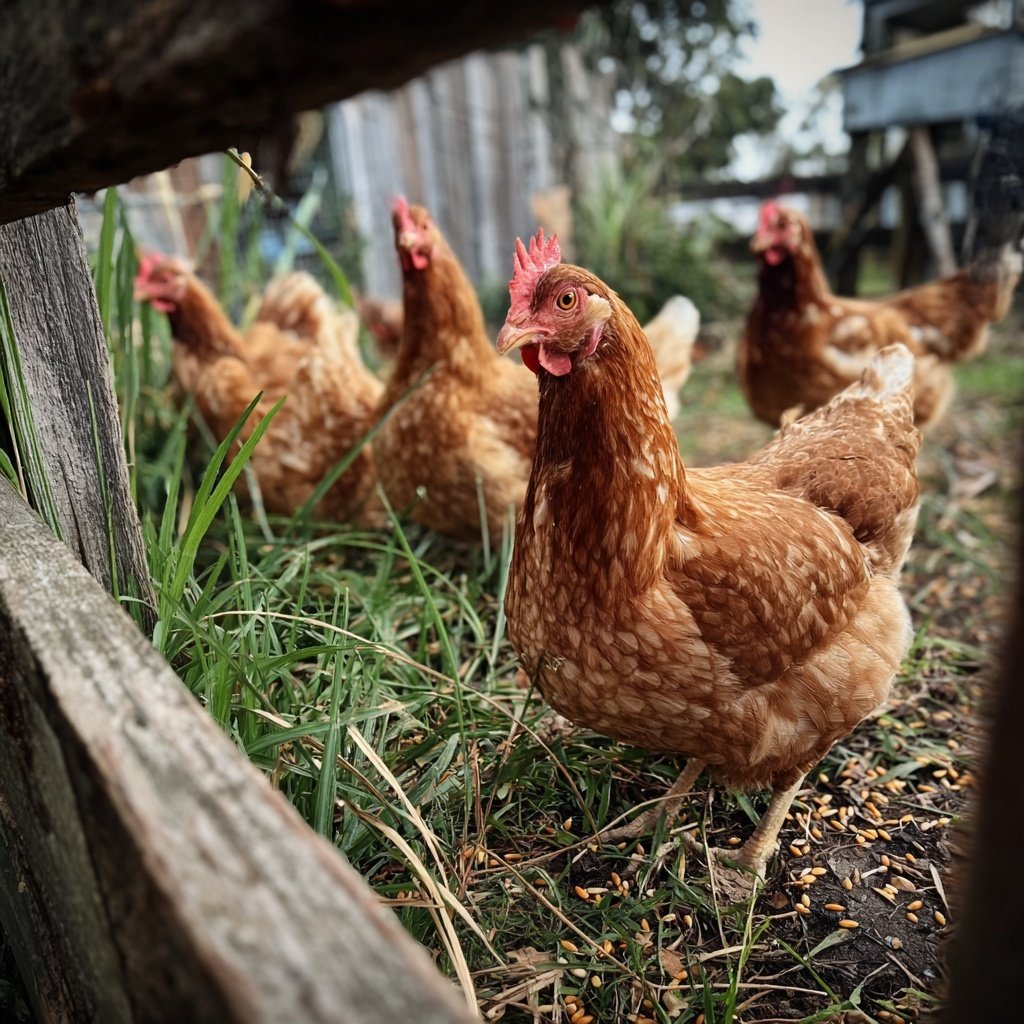
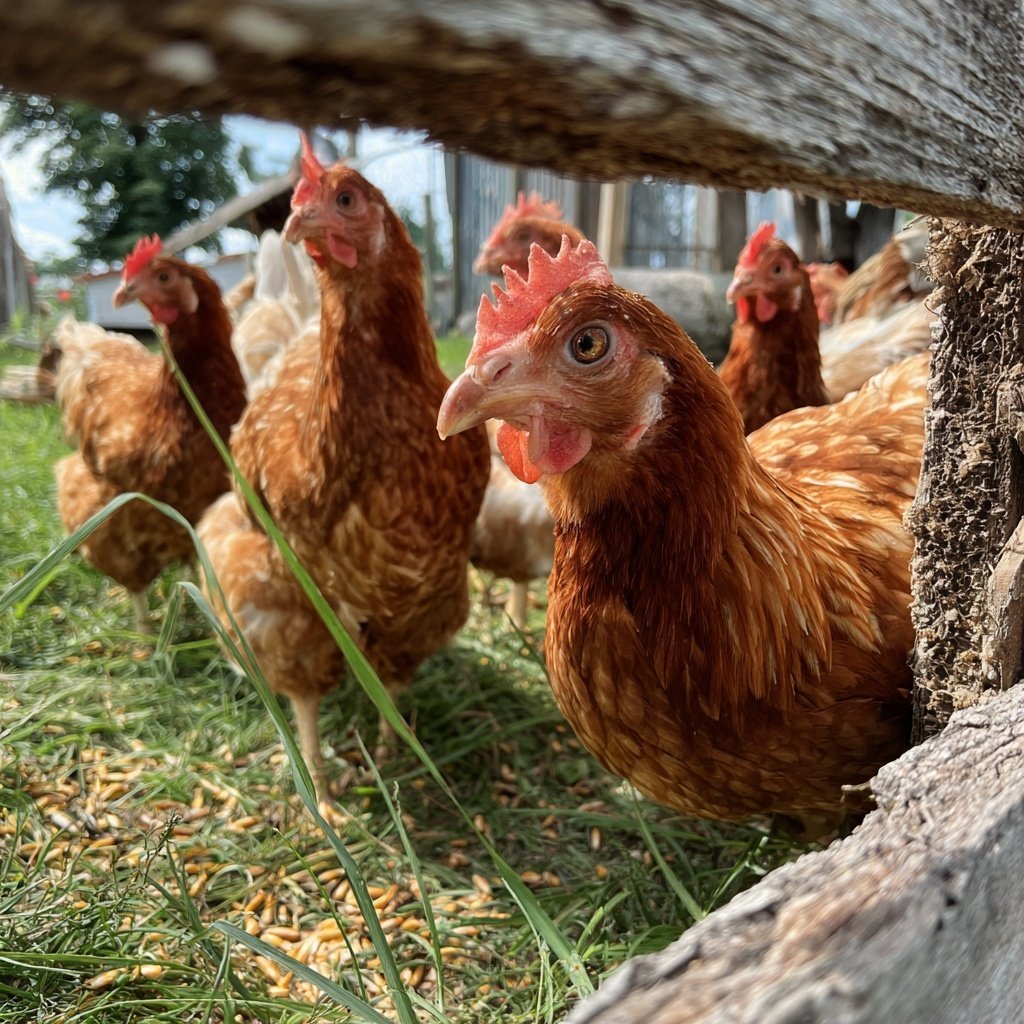
I’ve always dreamed of having backyard chickens, and after building a walk-in chicken run, I can truly say it’s been a rewarding experience. The design allows me to easily interact with my flock while providing them ample space to roam. I chose durable materials that create a safe haven for my chickens, who love the freedom to scratch and explore. This setup not only enhances their well-being but also makes chicken-keeping enjoyable and stress-free for me as an owner.
Building a walk-in chicken run was an exciting project that brought me closer to my love for animals and sustainable living. I spent many weekends planning and constructing it, ensuring it was both functional and safe. The real trick was using predator-proof materials, which I learned the hard way after a close call with some curious raccoons.
What truly makes the run special is the integration with my garden. Chickens love to peck at weeds and pests, so I watched them in delight as they worked their magic while fertilizing my plants. It’s a symbiotic relationship that has made my gardening experience richer and more enjoyable.
Why You'll Love This Chicken Run
- Encourages a hands-on approach to chicken care
- Provides ample space for your chickens to roam and forage
- Enhances your backyard's aesthetic and functionality
Building the Perfect Environment
Choosing the right materials for your chicken run is critical to creating a safe and durable environment. I recommend using galvanized wire mesh for the fencing, as it’s strong enough to deter predators while allowing sunlight and airflow. For the structure, consider pressure-treated wood, which can withstand the elements for years. My walk-in run includes a sturdy roof to protect against hawks and inclement weather, ensuring my chickens feel secure wherever they roam.
When designing your run, think about the layout. Adding vertical elements like perches and nesting boxes gives your chickens different areas to explore and rest. Make sure you allocate enough space for foraging; each chicken ideally needs about 10 square feet of outdoor space to be happy. I installed several levels of perches to encourage natural behaviors, and my chickens love hopping from one to another, making their environment more engaging.
Maintenance Tips for a Healthy Flock
Routine maintenance of your chicken run is essential for the health of your flock. I clean the run regularly, removing waste and leftover feed to prevent pests and disease. Setting up a weekly schedule makes this task manageable; I find that a thorough cleaning every 7 days keeps the coop smell and bacteria at bay. Use a shovel for waste and a hose to rinse down areas—make sure to do this on a sunny day as it helps with quick drying and prevents odors.
Additionally, provide clean water and feed daily, checking for any mold or spoilage. Using gravity feeders can minimize mess and monitor food levels more easily, and I refill water containers every few days to ensure my chickens always have access to fresh water. Regularly checking for signs of illness or unusual behavior in your chickens lets you address issues before they escalate.
Enhancing Your Chicken Run Experience
Adding enrichment items to your chicken run can significantly improve your chickens’ quality of life. I’ve found that simple things like natural foliage, dust baths, and foraging toys keep my chickens entertained. Using branches from non-toxic trees allows them to practice their scratching, while sprinkling scratch grains in different areas encourages them to explore and search, mimicking their natural instincts.
You might also consider planting chicken-friendly herbs, such as oregano or basil, which can serve both as food and natural pest deterrents. My chickens love nibbling on these herbs and they benefit from the nutrients they provide. Additionally, creating a shaded area with a tarp or mesh canopy can protect your flock from extreme sun, allowing them to stay cool and comfortable while they enjoy their outdoor space.
Pro Tips
- Ensure to include plenty of perches and nesting boxes to make your chickens comfortable. Regularly check the integrity of the fencing to keep predators at bay.
Serving Ideas and Chicken Interaction
When it comes to interacting with your chickens, spend time with them in the run and observe their behavior as they explore. Not only does this strengthen your bond, but it can also keep them accustomed to human presence. I recommend sitting quietly with a treat like mealworms or kitchen scraps to encourage them to approach you. This engagement can make handling easier when it’s time for health checks or routine care.
Creating a routine feeding time can also help. They quickly learn it’s time to gather, making it easier for you to watch for individual health and interactions, such as pecking order dynamics. Taking note of these behaviors helps me keep tabs on their overall wellbeing, ensuring a harmonious and thriving environment.
Dealing with Common Challenges
One challenge I faced when starting out was managing pests attracted to the feed. To combat this, I switched to sealed, airtight containers for storage, greatly reducing rodent activity. Additionally, placing a few traps outside the run helped keep the area free of unwanted visitors. It’s important to always monitor for signs of intruders and act promptly—they can compromise your chickens’ safety.
Changes in weather can also affect your chickens’ behavior. During extreme heat, ensure they have extra water and consider adding ice blocks to their drinking water for a refreshing cool drink. In the cold months, check that their coop is well-ventilated while minimizing drafts to keep them comfortable. Preparing for these seasonal changes made my experience with backyard chickens much smoother and more enjoyable.
Questions About Recipes
→ What materials are the best for a chicken run?
Use sturdy galvanized wire mesh and pressure-treated wood for durability against harsh weather and predators.
→ How much space do chickens need?
Each chicken generally requires about 10 square feet of outdoor space to feel comfortable and avoid overcrowding.
→ Can I integrate a chicken run with my vegetable garden?
Absolutely! Chickens can help manage pests and weeds while also fertilizing your plants.
→ How do I keep my chickens safe from predators?
Ensure the run is completely fenced, with buried wire at the bottom and a secure roof to make it difficult for predators to gain access.
Backyard Walk In Chicken Run
Created by: Thea Montgomery
Recipe Type: Simple Comfort Food Inspiration
Skill Level: Intermediate
Final Quantity: 1
Extra Tips
- Ensure to include plenty of perches and nesting boxes to make your chickens comfortable. Regularly check the integrity of the fencing to keep predators at bay.
Nutritional Breakdown (Per Serving)
- Calories: 0 kcal
- Total Fat: 0g
- Saturated Fat: 0g
- Cholesterol: 0mg
- Sodium: 0mg
- Total Carbohydrates: 0g
- Dietary Fiber: 0g
- Sugars: 0g
- Protein: 0g